

Supply-chain stress is rising, driven by air freight costs and geopolitical
tensions. Explore the implications for prices and inflation in our report.
 Keith Mason
Supply-chain stress is rising, driven by air freight costs and geopolitical
tensions. Explore the implications for prices and inflation in our report.

Yields may rise as inflation and geopolitical tensions persist, despite any short-term relief

Demand is shifting toward high-quality, energy-efficient spaces, despite cost and policy constraints.

Growth is concentrating in major metros, boosting spending but widening regional gaps.

Energy-driven supply shocks push Eurozone inflation higher, prompting expected ECB rate hikes despite weak demand.

Treasury yields may steepen after Middle East tensions ease, but persistent inflation and structural pressures could keep long-term rates elevated.

The World Cup will deliver a temporary, sector-specific boost with minimal lasting economic impact.

The BoJ is edging toward another rate hike—but timing is everything. Inflation is rising, the yen is weakening, and global tensions could change the plan.

AI adoption is likely to reinforce regional disparities, benefiting major cities while limiting gains in smaller and industrial regions.

Warsh is in—but the real story is what comes next. Inflation is sticky, consumers are stretched, and the Fed may wait longer than markets expect.

Helium shortages are rattling chip supply chains—but with reserves and pricing power on their side, can chipmakers stay ahead of the risk?

What happens to the UK economy if migration slows sharply? Growth, tax revenues, and pensions could all be at risk—but how big is the impact?

The reopening of the Strait of Hormuz has eased oil market fears, pushing crude prices lower and offering potential relief at the pump. But with wage growth slowing and purchasing power under pressure, how much will consumers really benefit—and what does it mean for the Fed’s next move?
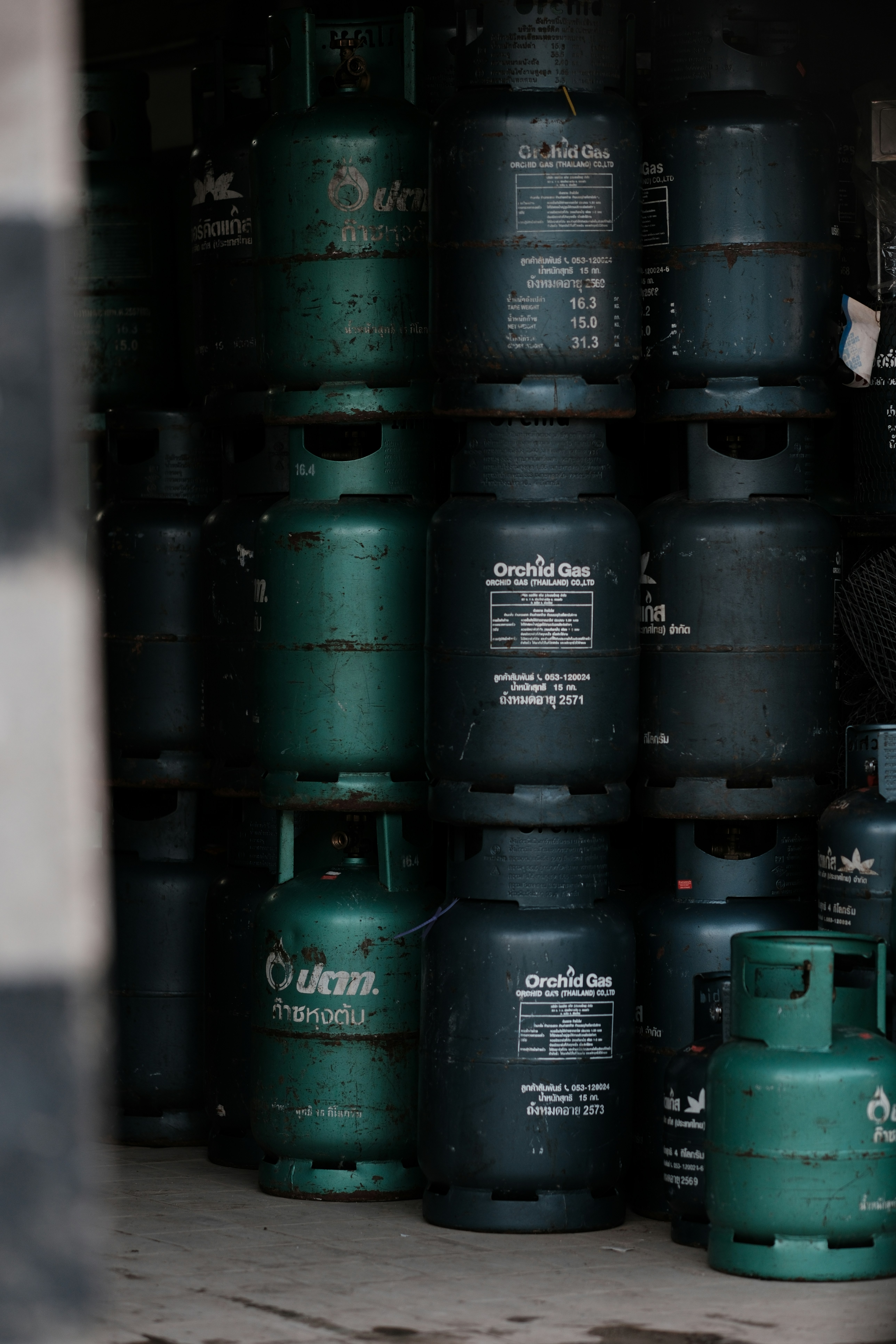
Refined fuel shortages are tightening Asia’s transport capacity, raising costs, and disrupting supply chains—from aviation to manufacturing. With inflation pressures building and growth at risk, how exposed is the region to prolonged fuel shocks?

Rising energy prices are set to lift US PCE inflation to its highest level since 2023, with further pressure expected in the coming months. How high could it go?
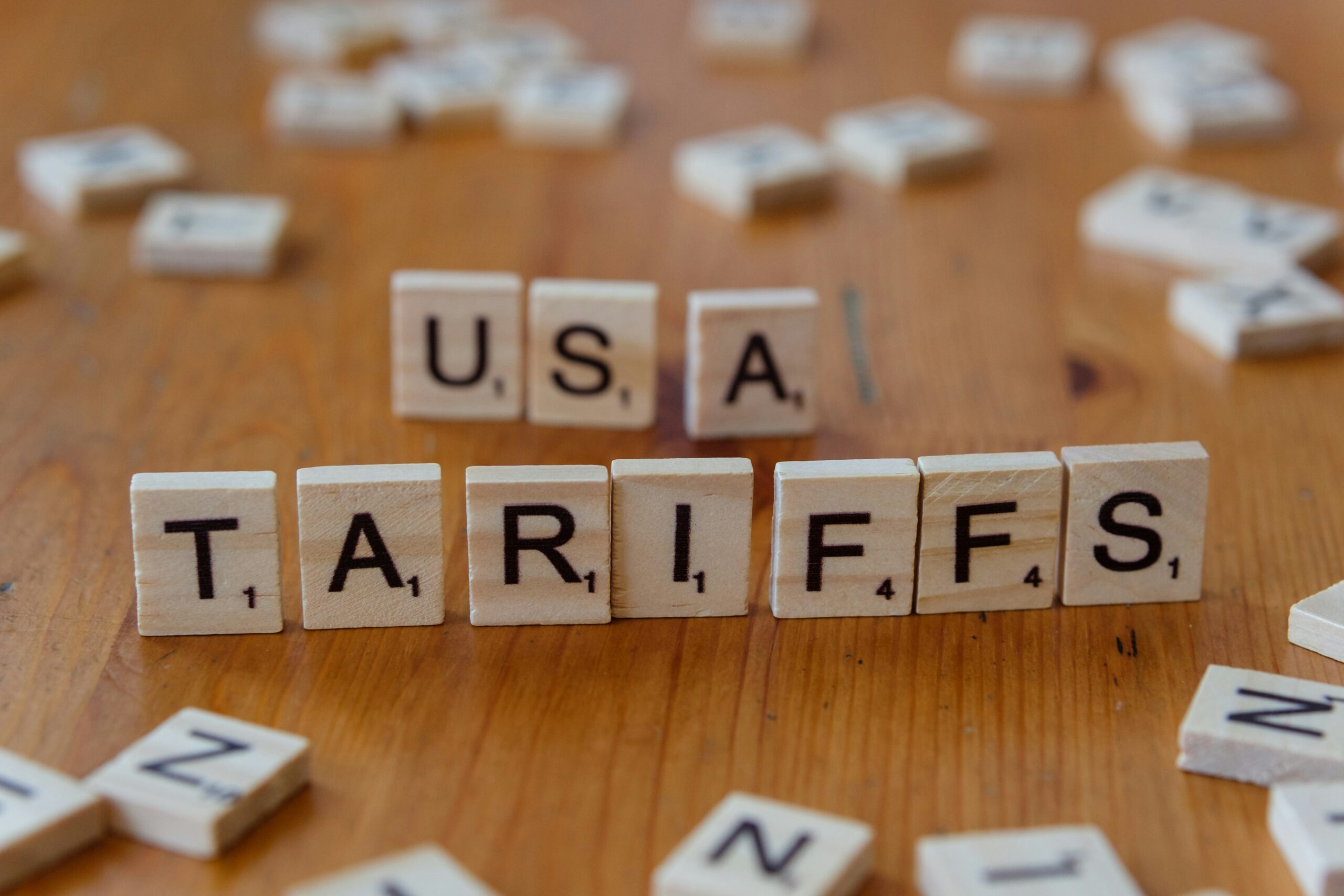
US tariff pressures are easing as metals and pharmaceutical measures prove less severe than expected, with key exemptions and policy shifts reshaping the outlook. What does this mean for global trade and your industry?

Oil prices are pulling back, but inflation pressures and weakening demand are starting to build. Is this just temporary relief, or the start of a deeper slowdown?

Asia and Mexico see stronger electronics export growth from US AI data centre investment, with spillovers concentrated in key tech manufacturing hubs including Taiwan, South Korea, Vietnam and Mexico.

Treasury yields declined and risk sentiment improved as ceasefire hopes lifted markets, but uncertainty around Iran talks persists. Can this optimism last?
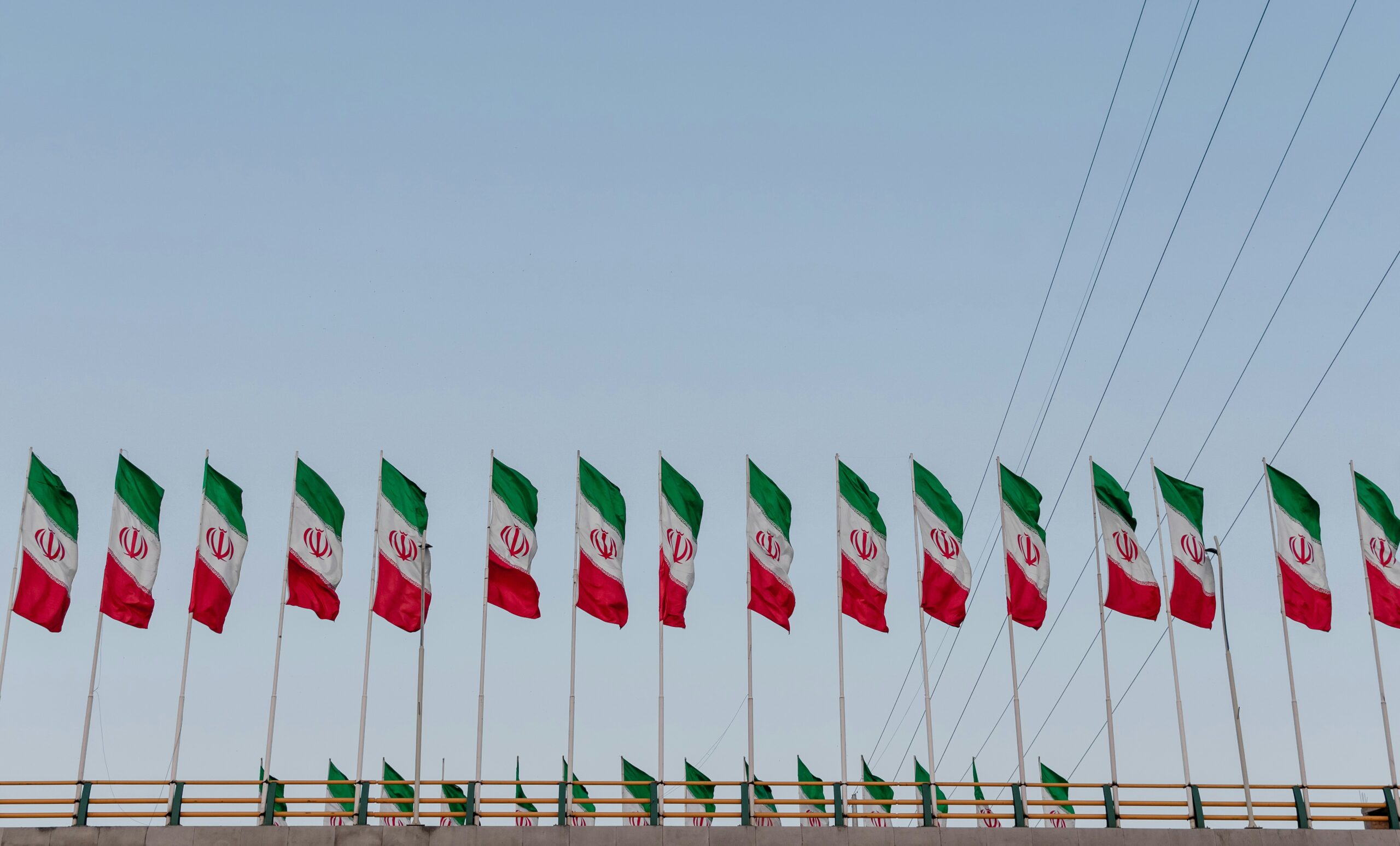
A prolonged closure of the Strait of Hormuz could send shockwaves through global industry, but which sectors and regions are most at risk?
