
Research Briefing
| Sep 16, 2021
Why Abenomics failed to reflate household wealth
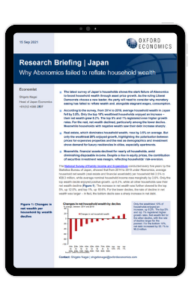
The latest survey of Japan’s households shows the stark failure of Abenomics to boost household wealth through asset price growth. As the ruling Liberal Democrats choose a new leader, the party will need to consider why monetary easing has failed to reflate wealth and, alongside stagnant wages, consumption.
What you will learn:
- According to the survey, from 2014 to 2019, average household wealth in Japan fell by 3.5%. Only the top 10% wealthiest households enjoyed an increase – their net wealth grew 8.2%.
- Real estate, which dominates household wealth, rose by 3.5% on average. But only the wealthiest 20% enjoyed growth, highlighting the polarisation between prices for expensive properties and the rest as demographics and investment drove demand for luxury residencies in cities, especially apartments.
- Financial assets declined for nearly all households, amid diminishing disposable income.
Tags:
Related Services

Post
US Key Themes 2026: Exceptionalism amid fragmentation
US exceptionalism is alive and well, and that won't change in 2026.
Find Out More
Post
Global Key themes 2026: Bullish on US despite AI bubble fears
We anticipate another year of broadly steady and unexceptional global GDP growth, but with some more interesting stories running below the surface.
Find Out More[autopilot_shortcode]