
Africa | Country Insight: Nigeria
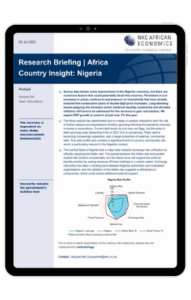
Progress in passing the Petroleum Industry Bill (PIB) and official adoption of the Nafex rate are two significant policy steps in the rights direction. However, with elevated price inflation and just 30.6 million Nigerians out of a population of nearly 210 million considered fully employed, households are under severe strain. Long-standing issues plaguing the monetary sector (external liquidity constraints and elevated inflation) will have to be addressed for the recovery to gain real traction.
What you will learn:
- A tense political environment has encouraged authorities to delay the suspension of subsidies, but fiscal pressures and the regulatory requirements stemming from the PIB could force the government to scrap this form of financial support.
- Public debt is becoming increasingly expensive, with a larger proportion of external, commercial debt. This debt profile also contains a significant level of currency and liquidity risk, which is particularly relevant in the Nigerian context.
- Lagos is by far the largest consumer market in West Africa, with spending totalling an estimated N13.2trn in 2020. Looking ahead, we expect the strongest growth in consumer spending to take place in Abuja and the smaller markets of Port Harcourt and Onitsha.
Tags:
Related Services

Post
APAC Key Themes 2026: Paybacks, policy offsets and trade
We believe APAC will remain the strongest global performer in 2026. However, the growth trajectory will likely be more uneven than in past cycles.
Find Out More
Post
Japan’s fiscal policy will remain loose, which increases risks to debt sustainabilit
We've changed our fiscal outlook for Japan in our December forecast round. We now expect the new government to set a primary deficit close to that of 2024, at 2%-3% of GDP for 2025-2027, instead of restoring a balanced budget by taking advantage of strong tax revenue. We assume higher bond yields will force the government to take measures to reduce the deficit from 2028.
Find Out More