
Trump tariffs to shake up Asian manufacturing in 2025
The year ahead presents significant challenges across the Asia-Pacific region. Amid ongoing structural weaknesses, China’s industrial and construction sector growth will continue to slow. The new US tariffs add an additional layer of drag on activity, as well as heightening economic uncertainties.
What you will learn:
- The US tariffs are most centrally targeted against China. High-tech industries such as electronics and semiconductor manufacturing will be hit the hardest. These sectors can easily migrate to nearby countries such as Japan, Korea, and Taiwan. Burgeoning high-tech exports within ASEAN will also see new opportunities for to replace China’s US exports.
- Japan will face targeted tariffs in the automotive and base metals sectors of 7.5% and 10% respectively. However, we see the overall tariff impact on Japan being relatively mild, with the country likely to pick up some of China’s lost output.
- India will be one of the least affected countries from rising tariffs, having one of the lowest dependencies on US markets in the APAC region. India will benefit from migration of production from China, but high energy costs will curtail Indian industrial potential.
Tags:
Related Resources

Tariffs take a toll despite easing trade hostilities
Global tradeflows remain under pressure despite easing tariff tensions. Recent US–China agreements reduce select import taxes and support China’s 2026 outlook, yet US imports continue to fall and supply chains pivot toward Asia and Europe. Containerised trade is set to expand, while bulk shipments soften alongside weaker industrial demand.
Find Out More
Global trade is losing momentum
Trade disruptions spread across autos and pharma sectors, with EU tariff exemptions giving Europe a competitive edge amid global slowdown.
Find Out More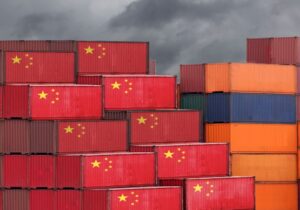
Why have China’s exports held up so well under higher US tariffs?
China's exports have adapted, rather than retreated, under higher US tariffs. It will be difficult for businesses and consumers to decouple from Chinese exports or China-linked supply chains.
Find Out More
ASEAN growth opportunities following US-China Tariffs
Using sectoral production data from Oxford’s Global Industry Service, we have been able to quantify which countries and sectors have the greatest potential for production migration. Applying this framework across Asia reveals meaningful industrial depth in Vietnam, Thailand, and Malaysia in trade-intensive segments, and a distinctive, more resource-heavy footing in Indonesia and India.
Find Out More