
Shifting Asian supply chains amid ongoing US-China frictions
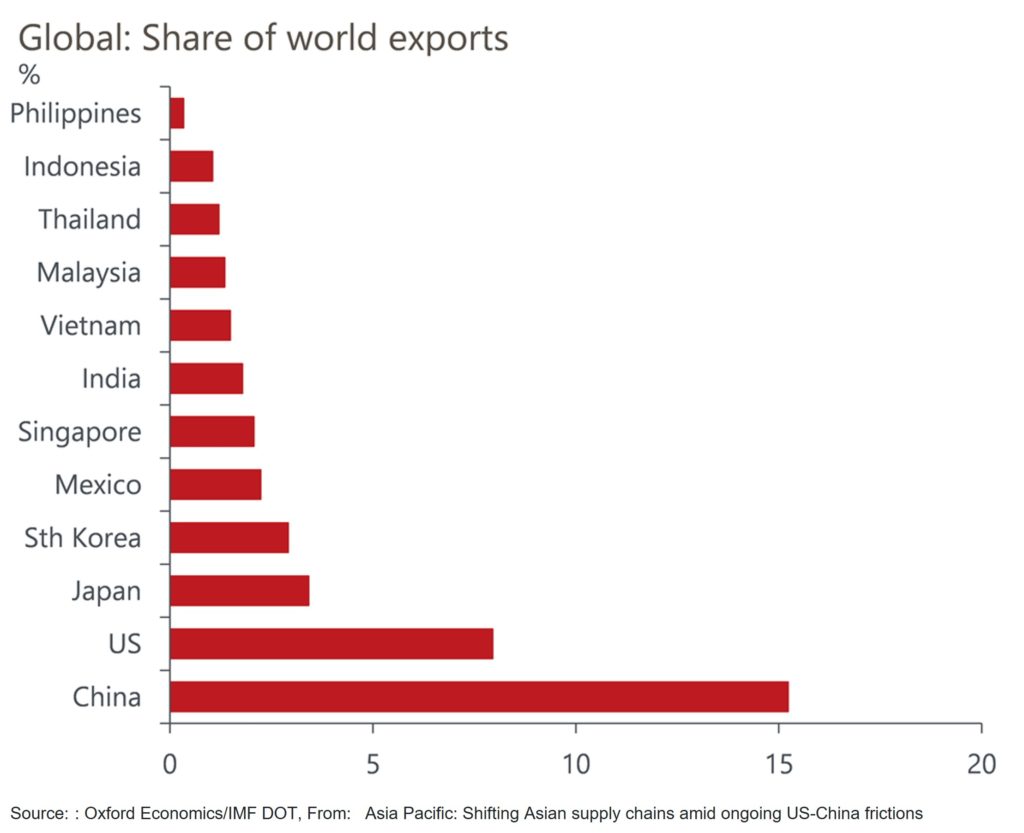
Manufacturing hubs in South East Asia are set to benefit from firms hedging against ongoing US-China frictions, in our view, and ASEAN countries will continue to be attractive destinations for investment.
What you will learn:
- We expect Vietnam in particular to be a big beneficiary given its proximity to China, participation in free trade agreements, and low-cost advantage.
- Although we expect ASEAN to become an increasing source of global manufacturing and goods exports, breaking the global and regional dependency on China would require a significant drop in the reliance on backward integration with Chinese industry. There is little evidence of this yet.
- We think it’s more likely that firms will opt for a ‘China plus-one’ strategy, reducing their dependency on China only marginally. We expect this strategy, along with growing domestic markets in ASEAN and China, will strengthen intra-regional economic linkages.
Tags:
Related Resouces

Post
The economics of data sovereignty and data localisation mandates
As governments across Asia race to build digital economies, the question of where data lives has become one of the region’s most economically consequential policy debates.
Find Out More
Post
Navigating Tax Policy: How Economics Gives International Businesses Strategic Advantage in Asia
In Asia’s fast-changing economic and regulatory environment, tax policy is no longer just a matter for finance and legal departments—it’s a boardroom issue.
Find Out More
Post
New Rules of Engagement: The Strategic Rise of Government Affairs in Asia
What’s behind Asia’s new era of policy assertiveness? What does it mean for international firms?
Find Out More